About Entain
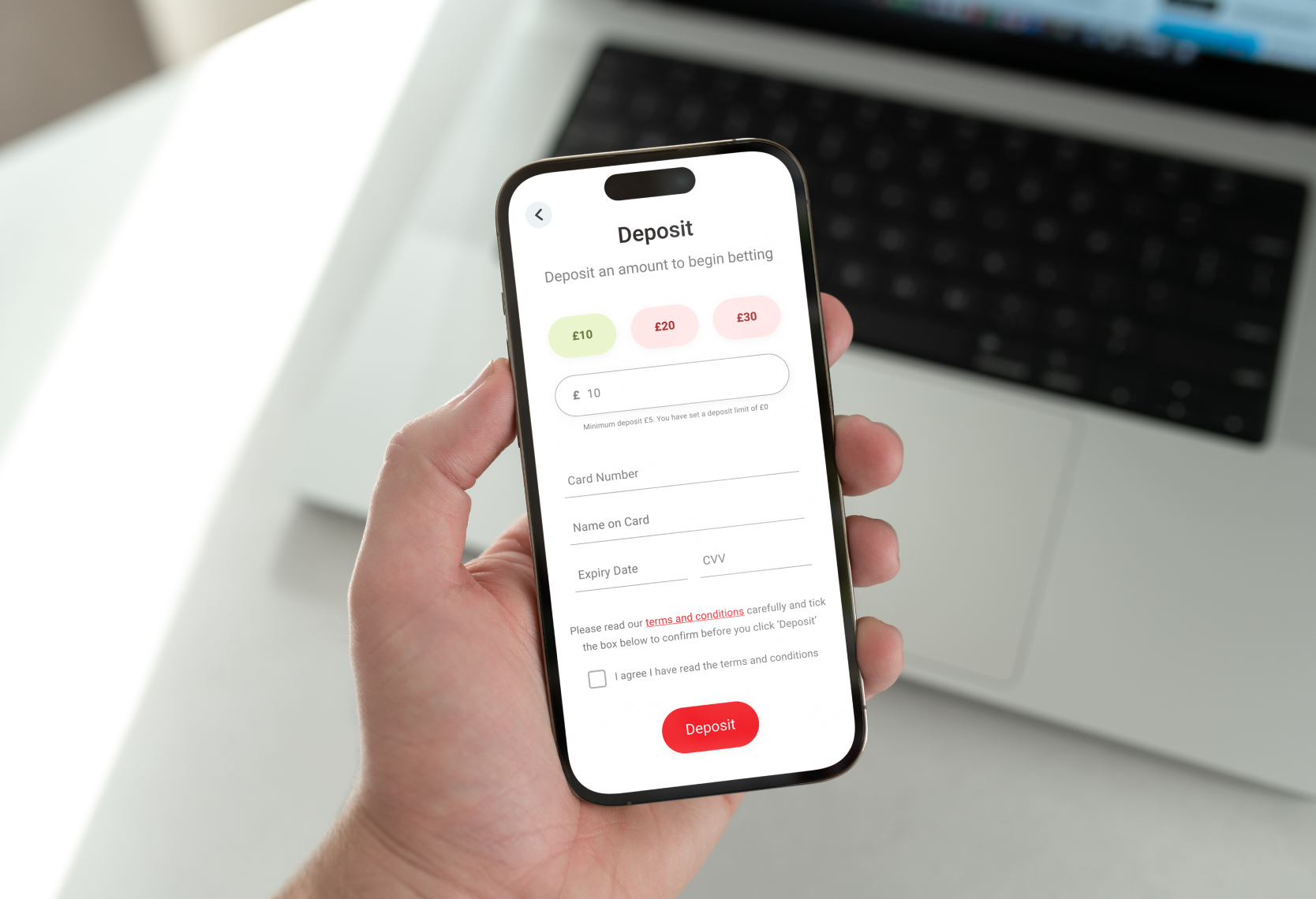
Entain is one of the world's largest sports betting and gaming groups, operating more than 30 brands across multiple international markets.
With design teams distributed around the globe, maintaining consistency across products, brands and customer experiences had become increasingly difficult.
The challenge
As Entain's portfolio grew, four design teams located across different regions were solving similar problems in different ways.
Design systems and guidelines already existed, but adoption was inconsistent. Teams regularly created new components rather than reusing existing ones, leading to duplication, fragmented user experiences and growing operational complexity.
The challenge wasn't simply to improve a design system. Entain needed a scalable way to align teams, standardise decision-making and create consistency across a large global product estate.
Our approach
We began by auditing Entain's brands, products and existing component libraries to understand the scale of duplication and inconsistency across the organisation.
Alongside this, we researched how teams were working day-to-day, mapping the processes used by designers, engineers and product teams to create, review and implement new components.
What emerged was not simply a design problem, but an operational one.
Using a combination of research, service design and business analysis, we mapped the end-to-end process for how design decisions were made, communicated and governed across the organisation.
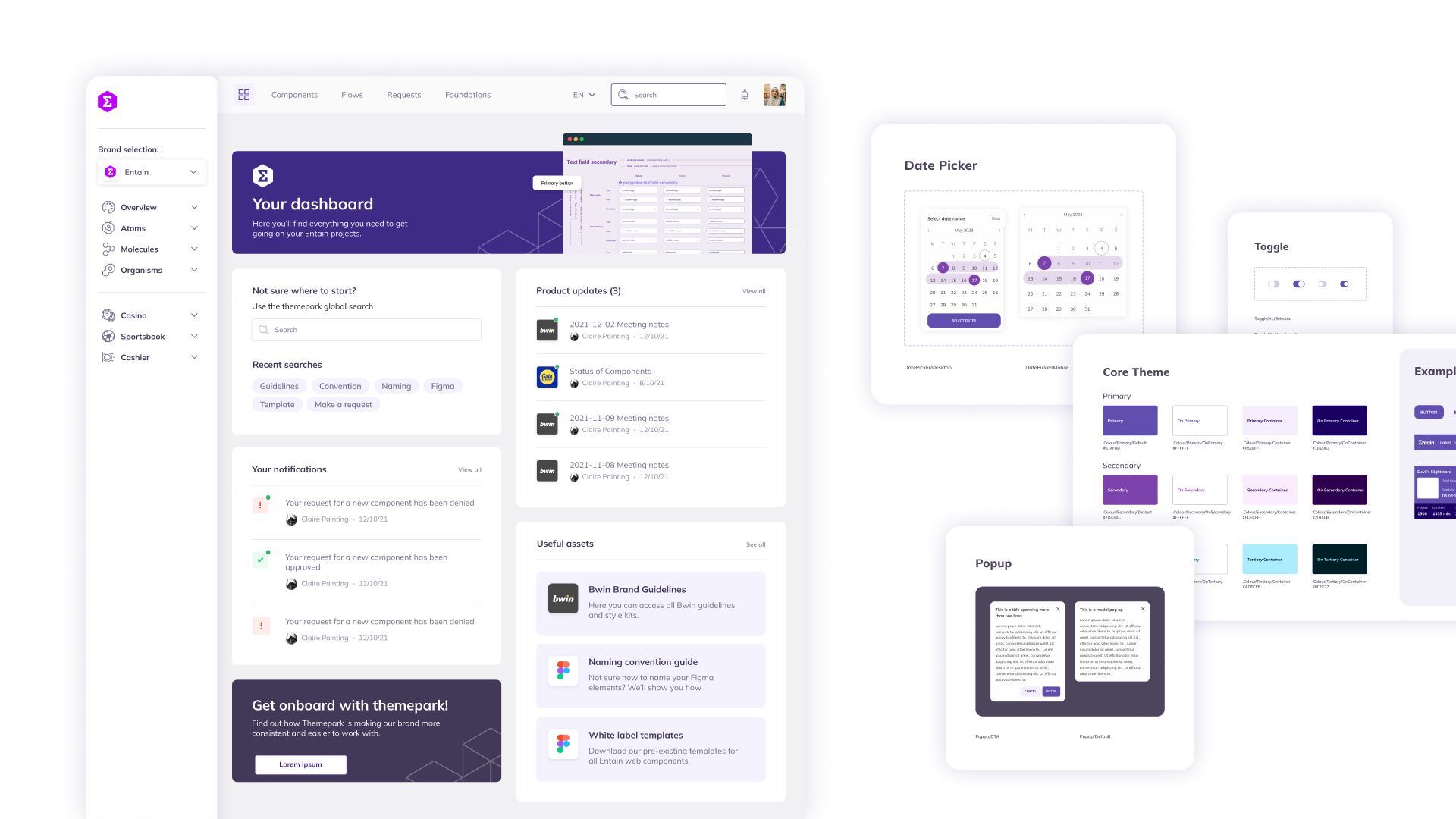
We then designed a new operating model that connected Figma, Jira and a centralised design system platform. This provided a shared workflow for both design and engineering teams, enabling them to discover existing components, request new patterns and contribute improvements through a governed process.
The result was a system that encouraged adoption rather than circumvention.
Results
The new operating model provided a clear and consistent process for component governance, contribution and adoption.
Design and engineering teams gained access to a shared source of truth, reducing duplication and increasing consistency across products and markets. Requests for new components became structured and transparent, while existing assets became significantly easier to discover and reuse.
By aligning people, processes and tooling, Entain moved away from fragmented design practices towards a more scalable and collaborative way of working.
The challenge wasn't creating a design system. It was creating a way for global teams to work together.
Outcomes
Entain now has a more consistent approach to designing and delivering digital products across its global portfolio.
The programme established clearer governance, stronger collaboration between design and engineering teams, and a framework for evolving products at scale.
Most importantly, it transformed the design system from a static library into an operational capability that supports consistency, efficiency and collaboration across the business.